I was once asked, ‘name a bridge built by a woman’? It was a question designed to provoke a reaction. It aimed to stir up the simmering frustration over the overlooked contributions of women in history. The formidable barriers they faced were also highlighted. And indeed, it succeeded in eliciting a passionate response from me. I had taken the bait. The bear was poked.
What if I told you about one woman, Sarah Guppy? She not only challenged the status quo but also left an indelible mark on bridge building. Her contributions significantly advanced innovation.
Sarah Guppy was born in 1770 into a family of innovators. She defied societal expectations and pursued her passion for science and engineering. She married a Bristol merchant. She skillfully navigated commerce and creativity. She flourished as both an inventor and entrepreneur.
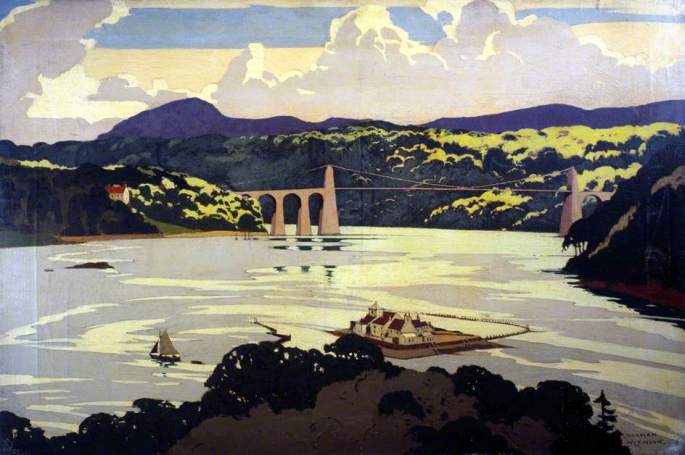
In 1811, Sarah Guppy secured her first patent for a groundbreaking invention: a method ensuring the safe piling for bridges. This innovation caught the attention of esteemed engineers like Thomas Telford. He recognized its significance. He sought her permission to utilize the patented design for the foundations of suspension bridges. Among these were iconic structures like the Clifton Suspension Bridge and the Menai Suspension Bridge. Remarkably, Sarah offered unrestricted access to her patented design. She did so completely free of charge. This demonstrated her unwavering commitment to progress and innovation in engineering.
But Sarah’s impact extended far beyond bridge building. Her inventive spirit led her to patent numerous other devices, ranging from shipbuilding improvements to bed warmers. Sarah faced significant barriers and discrimination as a woman in a male-dominated field. She persevered and left behind a legacy of innovation and resilience. This legacy continues to inspire.
Her story serves as a powerful reminder. Women have always been builders, creators, and innovators. They deserve recognition and respect.
So, the next time you’re asked, ‘Name a bridge built by a woman,’ proudly declare, ‘Sarah fucking Guppy paved the way, inspiring women everywhere to break barriers and shape the future of engineering’
 Women build bridges