In the pantheon of tech’s greats, you’ll find visionaries like Steve Jobs or Alan Turing often heralded as pioneers. Stretch back further. You’ll discover Ada Lovelace quietly sketching the blueprints of modern computing. This was before it even had a name. You see, Ada wasn’t just ahead of her time, she was busy setting the clock for the future.
Ada was born in 1815. Her father was the flamboyant poet Lord Byron, and her mother was the mathematically minded Annabella Milbanke. Ada was steered clear of poetry’s “destructive passions”. She was guided toward the structured clarity of mathematics. Her mother hoped it would be a safe, scandal-free realm. Ada unknowingly used these tools to avoid scandal. She also built a bridge to a new world.
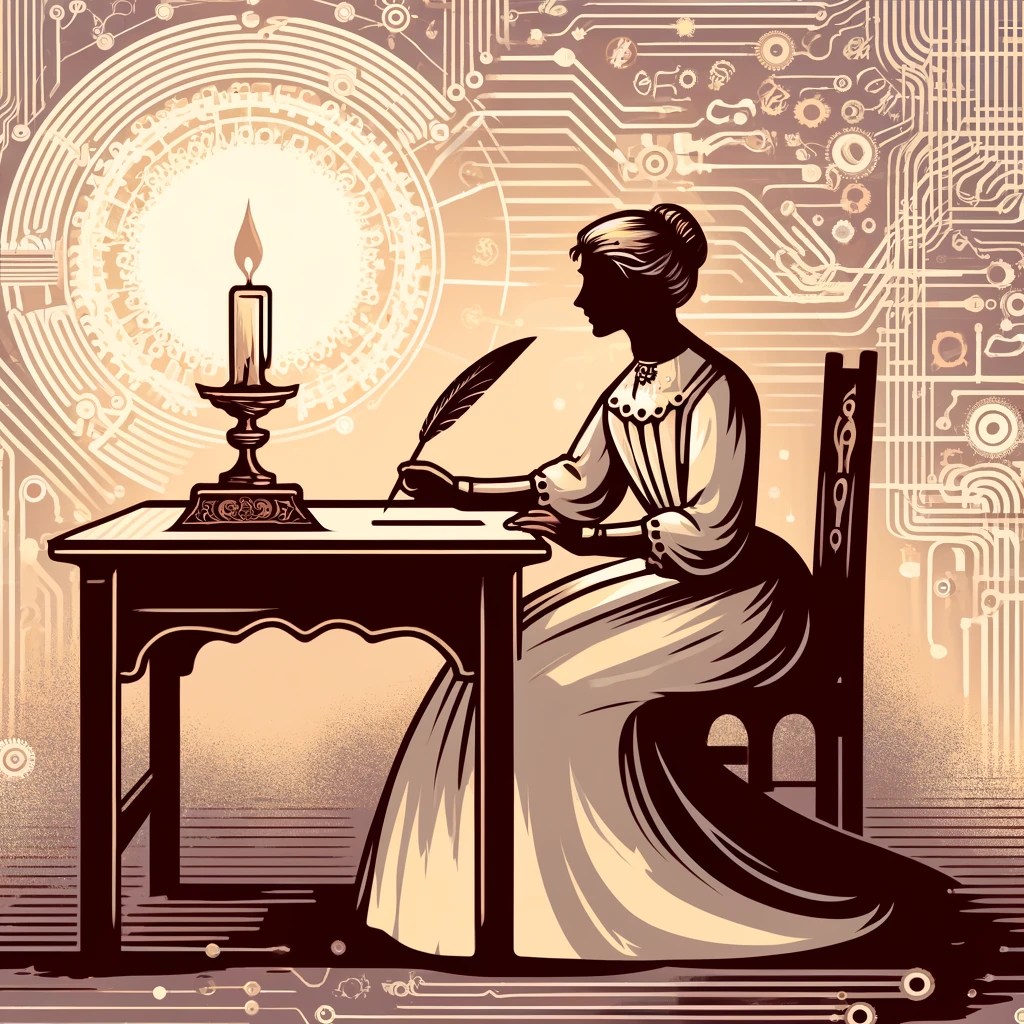
Ada’s collaboration with Charles Babbage, the inventor known for his early mechanical computer concepts, was where she truly shone. While others saw Babbage’s designs as mere number crunchers, Ada envisioned them as the backbone of a future. She imagined machines would create music and art, not just dull sums. She wrote what many consider the first computer algorithm. She stepped beyond the rigid confines of early 19th-century expectations. She ventured into a realm of creative possibility.
What’s particularly striking about Ada is her duality. She possesses the ability to see not only the scientific application of the Analytical Engine. Ada also sees its potential to weave patterns far beyond mathematics. This vision built a bridge from computation to imagination. It created a legacy that underpins the very fabric of today’s digital world.
As someone who writes about unsung heroines in response to rather narrow-minded questions about women’s achievements, Ada Lovelace resonates particularly. She’s not just a figure to admire for her programming prowess; she’s a symbol of resilience. During an era when women were often spectators in science and technology, Ada was active. She was busy writing the rulebook.
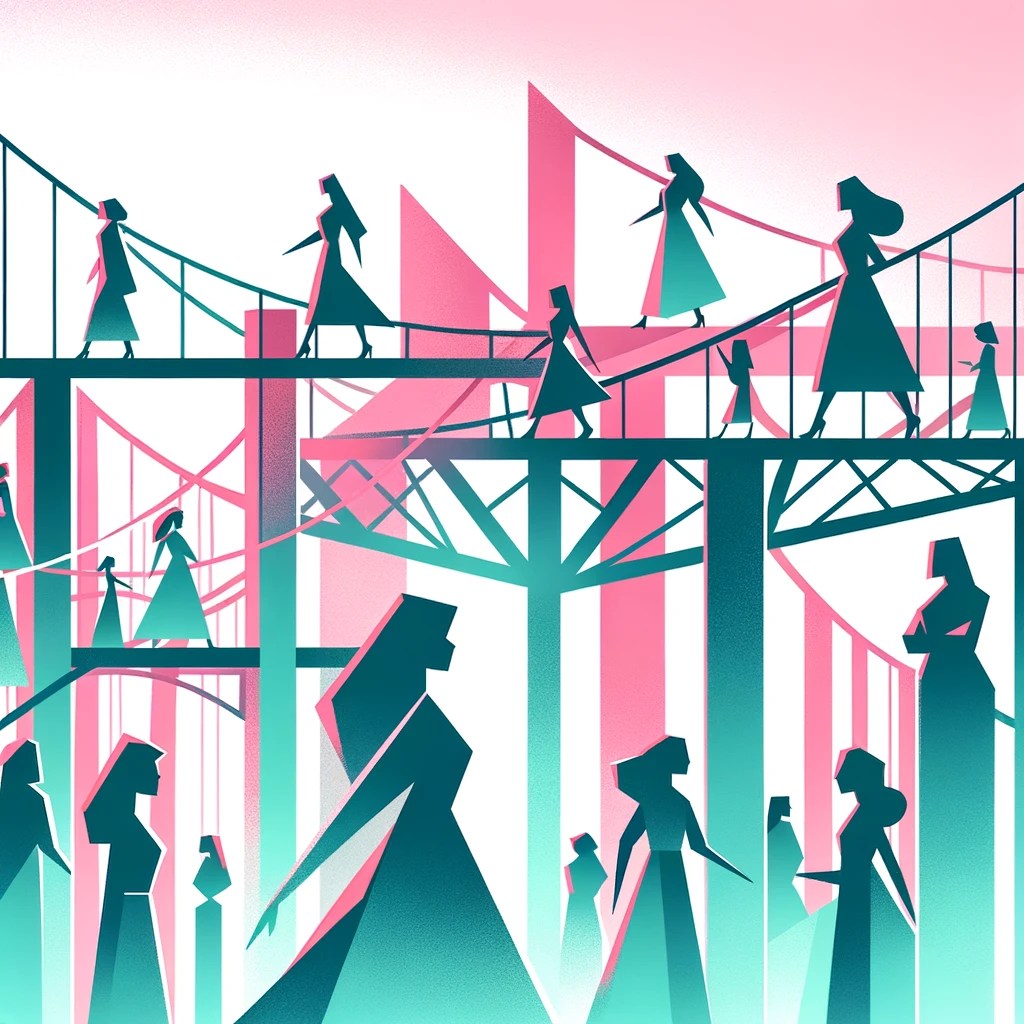
So, the question, ‘name a woman who built a bridge’ might stump some. However, it’s clear Ada built bridges not just of iron or steel. She built bridges of ideas. These are bridges that have carried us into an age where technology touches everything we do. And isn’t that the hallmark of a true pioneer?
I’d love to hear about more women like Ada. Their contributions aren’t always in the history books. However, their impacts are undeniably foundational. Who are your unsung heroines? Share their stories; let’s give them the spotlight they deserve.
 Women build bridges