
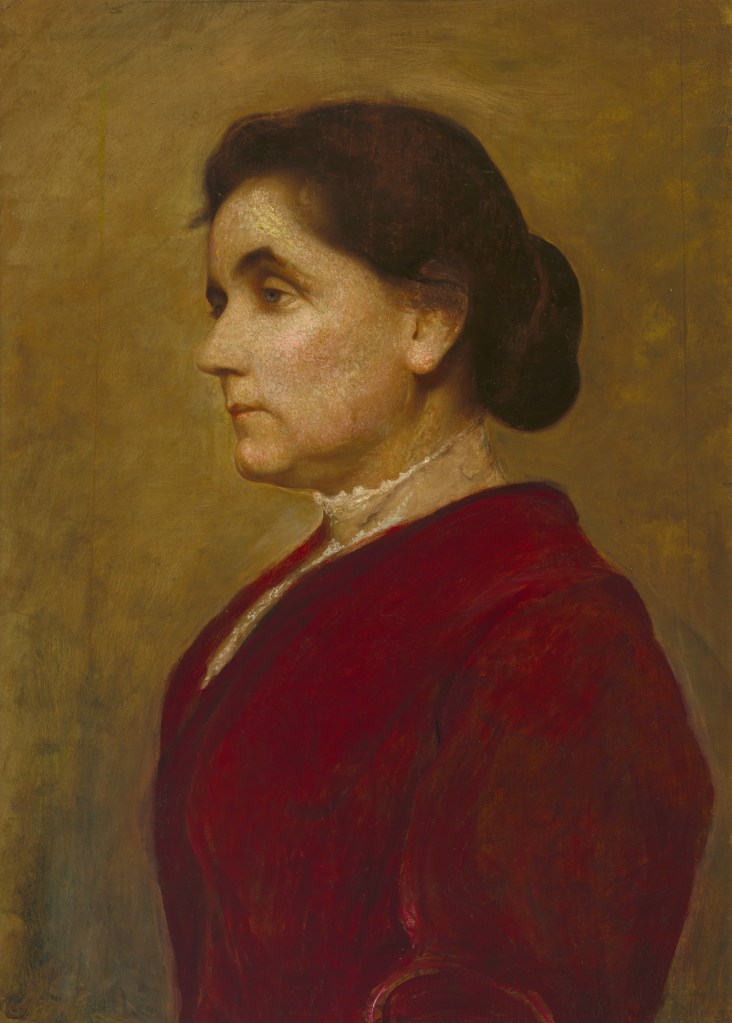
In the twentieth century, the great challenge for society will be to find a way to work together in cooperation
Jane Addams was more than a social reformer. She was a bridge builder. She connected people across social, political, and cultural divides to create lasting change. In a time of industrialization, immigration, and political unrest, Addams faced enormous challenges. Yet, she had a unique ability to connect with people from all walks of life. She built lasting relationships. This led to monumental social reforms. She persuaded wealthy philanthropists to engage with the poor. She lobbied political leaders for child labor laws. She professionalized social work. Addams didn’t just fight for change. She brought others along with her.
Building Bridges Across Class Divides: Hull House
In 1889, Jane Addams co-founded Hull House in the heart of one of Chicago’s poorest neighborhoods. The divide between the wealthy and the working poor was vast at that time. Hull House became a unique space for interaction. Both groups learned from each other there and advocate for social justice. Addams faced a challenging task. She needed to convince the elite of Chicago to care about the lives of immigrants and laborers. These groups had often been ignored or looked down upon by them.
Addams won over influential figures like Mary Logan, a wealthy philanthropist, by inviting her directly into Hull House. Instead of merely asking for donations, Addams welcomed Logan into the daily life of the community. She didn’t just tell Logan about the struggles of the poor; she showed her through personal stories and real experiences. Mary Logan later reflected,
“Miss Addams took me by the hand and showed me the face of poverty not through words alone, but through the lives of the women and children whose lives she had touched. It was impossible to remain untouched by her work.”
Addams understood that to inspire true change, she needed to create a personal connection between the privileged and the marginalized. She invited the wealthy into the lives of the poor. This helped them see the human cost of inequality. In doing so, she built a coalition of support for Hull House’s programs. These elite women didn’t just donate, they became active participants, helping to fund and expand the house’s mission.
Bridging Ethnic and Cultural Gaps
Hull House also served as a cultural bridge for the many immigrant communities in Chicago. These communities were often isolated by language barriers. They also faced social prejudices. Addams recognized that in order to create lasting social change, she had to bring these groups together. It was not just about helping immigrants assimilate into American society. It was about celebrating cultural diversity. It emphasized fostering mutual support and understanding.
One of the key figures in this effort was Florence Kelley, a social reformer and labor activist. Kelley, initially skeptical of Hull House’s inclusive approach, found herself won over by Addams’ dedication to empowering immigrant communities. Florence Kelley said,
“Miss Addams is the finest example of the power of the gentle hand in the world. She made me see that the labor movement was not just about rights—it was about human dignity.”
Through personal invitation and collaboration, Addams showed Kelley that real reform required not just legal changes but also community-based action. Together, they helped lobby for child labor laws and other protections for working-class families. Their partnership proved that different cultural groups could work together. They can create a force for change that benefits society as a whole.
Building Political Alliances for Reform
As Addams’ influence grew, she realized that true reform required the backing of political leaders. This was crucial in the fight for labor rights. It was also important in women’s suffrage campaigns. Legislative action was essential for long-term change. Governor John Peter Altgeld was one of the most difficult political figures to persuade. He was a progressive politician. Initially, he hesitated to tackle labor issues, fearing he might alienate powerful business interests.
Addams didn’t just appeal to Altgeld’s political sensibilities, she appealed to his moral conscience. She invited him to meet with the residents of Hull House and hear their stories firsthand. Addams didn’t rely on statistics or abstract arguments. Instead, she personalized the issue. She showed him the human suffering caused by child labor and unsafe working conditions. In a moment of reflection, Altgeld said,
“I had always understood the political arguments, but it was Jane Addams who made me understand the moral imperative. She brought me the voices of those who had no other means of speaking for themselves, and it became clear to me that the laws must change.”
Addams used personal connections and moral persuasion. She convinced Altgeld to champion labor reform. This led to the passage of the Illinois Child Labor Law of 1893. It was one of the first laws of its kind. This law limited child labor and protected workers’ rights. It was a landmark achievement. It set the stage for future labor reforms across the nation.
Professionalizing Social Work
One of Addams’ most lasting contributions was her work in professionalizing social work. She recognized that social work needed to be more than just charity. It needed to be a profession. The profession should be formally recognized and trained to address the complex issues of poverty, immigration, and labor exploitation. Addams sought the support of influential academics like Edward T. Devine, who initially doubted that social work could ever be institutionalized.
Addams, nonetheless, convinced Devine by showing him that social work was not just about personal compassion, it was about systemic change. Through their collaboration, Addams and Devine helped set up graduate programs in social work at the University of Chicago. They professionalized the field and created a framework. This framework trains future social workers in both practical skills and social justice principles.
Edward T. Devine later acknowledged,
“It was Jane Addams who showed me that social work must be approached not just as an act of charity, but as a legitimate and necessary profession. Her vision was not just for helping; it was for building a more just and informed society.”
How Jane Addams Won People Over
At the heart of Jane Addams’ success was her unique ability to connect people across divides. Whether through personal relationships, compelling storytelling, or moral clarity, Addams understood that change wasn’t just about facts and figures. It was about human connection. She knew that to inspire lasting reform, she had to show her allies the true cost of social inequality. She brought them face-to-face with the lives of those they had overlooked. Addams formed strategic alliances and demonstrated deep empathy. She won over key figures like Mary Logan, Florence Kelley, Governor Altgeld, and Edward T. Devine. This inspired them to act and support policies that created a more just society.
Her work didn’t just change laws. It changed the hearts and minds of those in power. Her efforts proved that compassion, dialogue, and collaboration can lead to transformative social change.
 Women build bridges