I was deeply moved when I watched I Fought the Law. It is the ITV drama about Ann Ming’s real life battle for justice. Not just by the pain. I was moved by how she refused to be silenced. She built connections between people, laws, and hope. Her story is literally heartbreaking. But the bridges she created in the aftermath of that heartbreak are lessons we can carry into our own lives.
Who is Ann Ming and What Happened
Ann Ming is a nurse from Billingham in the North East of England.
In 1989 her daughter Julie Hogg was murdered. Despite strong evidence, the killer Billy Dunlop was acquitted after two hung juries. At the time the double jeopardy law in England and Wales meant that even if new evidence or a confession appeared later, he could not be tried again for the same crime.
For many years, Ann campaigned often on her own. She wanted to change the law so that retrials could happen in serious cases if there was compelling new evidence. She wrote letters, contacted MPs, spoke to the press and met with government figures.
Eventually the law was changed in 2005. In 2006 Dunlop was convicted under the new rules. Ann was later awarded an MBE for her services to criminal justice.
The Bridges Ann Ming Built
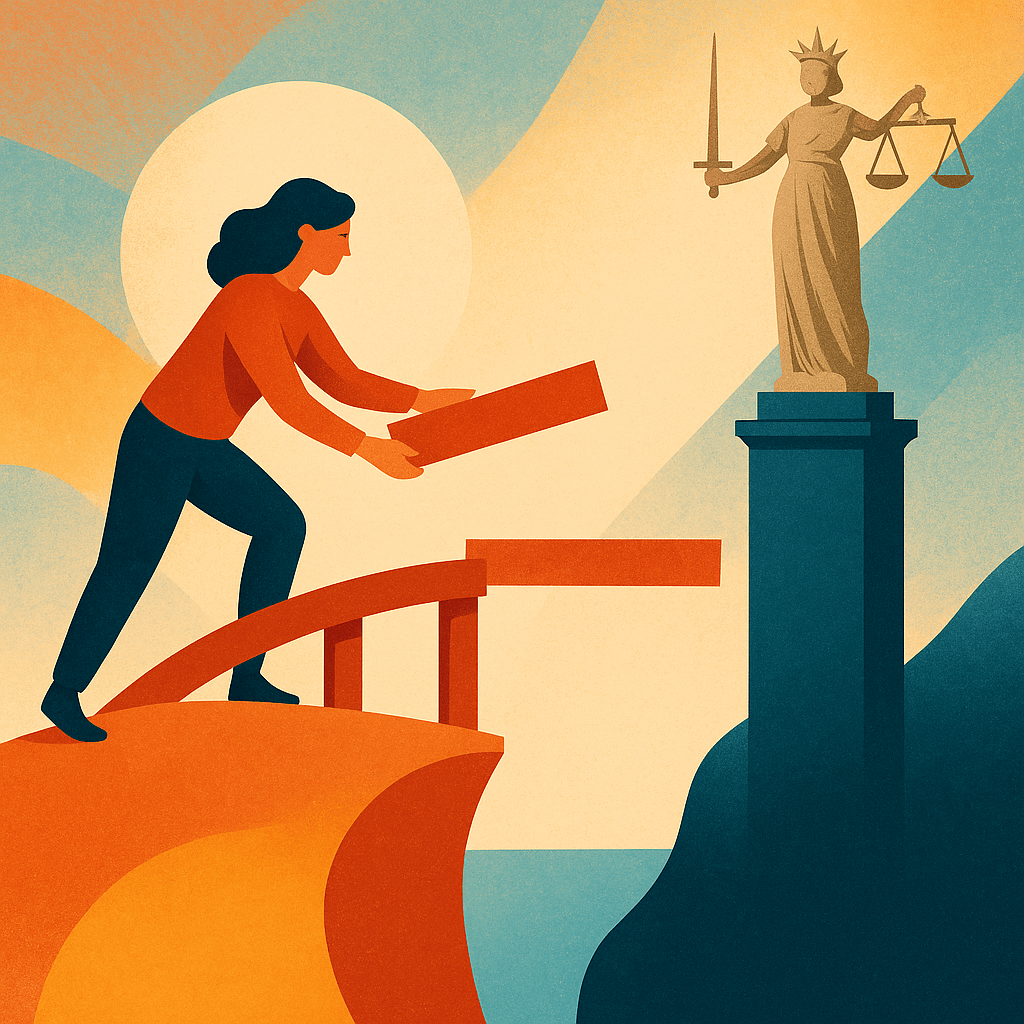
Ann Ming’s fight was not just legal. It was relational, social and institutional. Here are some of the bridges she built and what we can learn from them.
- Bridge of Awareness
She spoke out and told Julie’s story. She engaged the media, wrote For the Love of Julie and supported the drama. She turned private pain into public visibility. Many injustices remain hidden unless someone speaks out. Ann showed that awareness can open eyes and change minds. - Bridge to Law and Reform
She approached MPs, pressed the Law Commission and campaigned relentlessly. She would not accept “this is how the law has always been.” She connected an individual grievance with structural change, forcing a centuries old law to be re examined. - Bridge to Empathy and Shared Humanity
Ann was not a politician or a public figure. She was an ordinary mum, a nurse. In telling her story she connected across class, region and background. She built understanding between ordinary people and the institutions that often feel unreachable. - Bridge of Perseverance and Hope
For decades she endured delay, injustice and personal cost. She held on through sleepless nights, flashbacks and frustration. She built a path from despair to sustained action. Hope was not naive for her, it was built with grit. - Bridge to Legacy and Inspiration
By changing the law Ann’s impact reaches far beyond her own story. She inspired books, documentaries and a drama. She showed that one person can shape the future and that change, while slow, is possible.
The Wider Story of Women Who Refuse to Give Up
Ann’s story is not an isolated one. There are countless mothers, daughters, and wives. They have refused to be silenced when the people they loved were failed by the system.
- Doreen Lawrence campaigned for justice for her son Stephen, murdered in 1993, and her fight reshaped policing in the UK.
- Mothers in Argentina are known as the Mothers of the Plaza de Mayo. They marched every week to demand answers about their children. These children were disappeared under the dictatorship. Their persistence brought international attention to human rights abuses.
- The women of Northern Ireland, often sidelined in political negotiations, organised for peace, community safety and reform during the Troubles.
- Across the world, women have fought for their families against wrongful convictions, violence, and indifference. They refused to give up, even when the odds were stacked against them.
What unites these women is persistence. The ability to keep going when others assume they will tire. The refusal to accept silence when institutions try to wear them down. Women are so often underestimated in terms of capability and endurance. Yet, time and again, it is women who keep pushing until change is made.
What We Can Learn from Ann’s Example
- Start with truth: Ann told what she knew and refused to let it be buried.
- Small consistent steps matter: letters, meetings, conversations, persistence.
- Do not wait for permission: she went directly to those in power.
- Use what you have: she was not a lawyer, but she had persistence and a voice.
- Accept the emotional cost: change takes a toll, but grief can be turned into strength.
- Think about legacy: Ann’s work rippled outward, helping others far beyond her own family.
Final Reflections: The Bridges We Need Now
What stays with me from I Fought the Law is Ann Ming built a pathway to justice. She also constructed a network of bridges. Between suffering and reform. Between a broken system and the hope for fairness. Between grief and purpose.
Most of us will never fight double jeopardy laws. But we will all face moments when silence or injustice press in. The question is how can we be bridge builders in those moments? Maybe it is speaking up. Maybe it is advocating for someone else. Maybe it is changing something small in our own community.
Ann Ming shows that even against huge odds bridges can be built. And when they are built they carry the weight of loss but also the promise of something better.
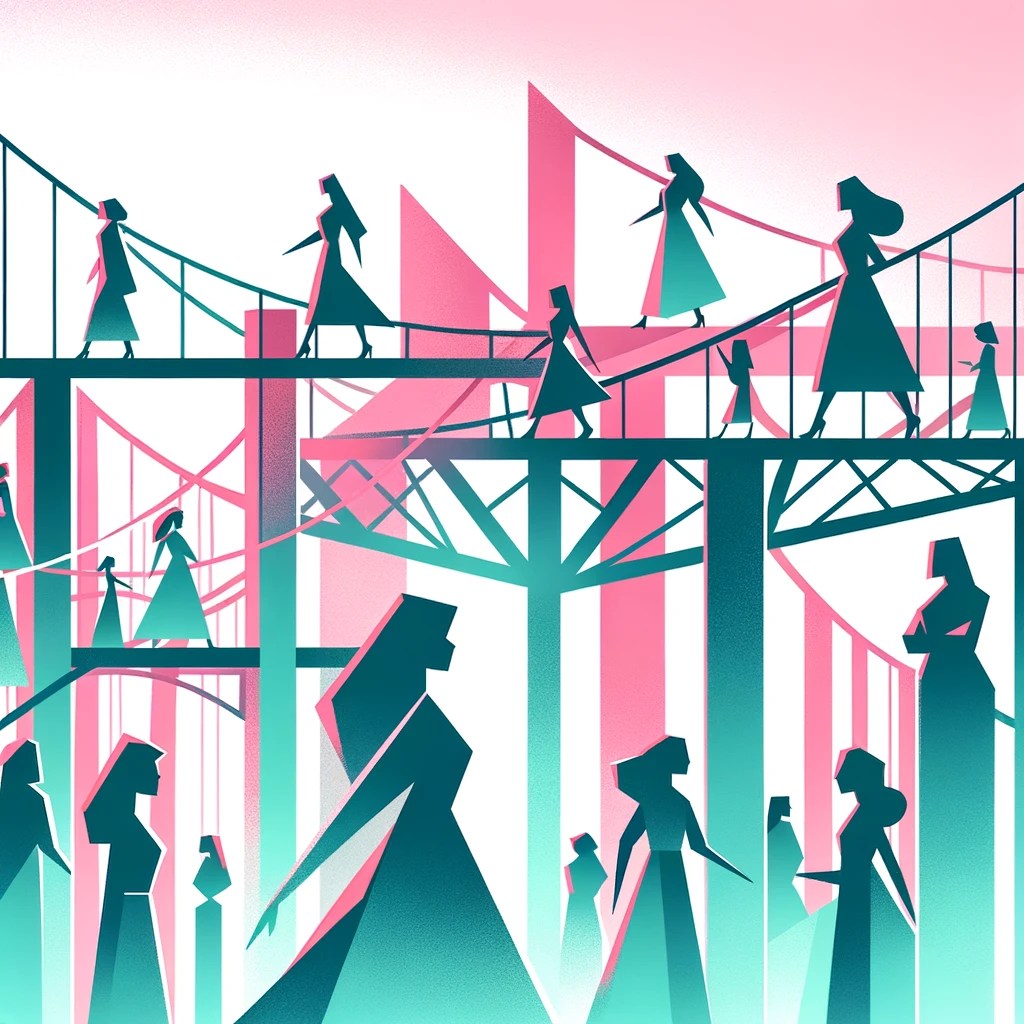
 Women build bridges